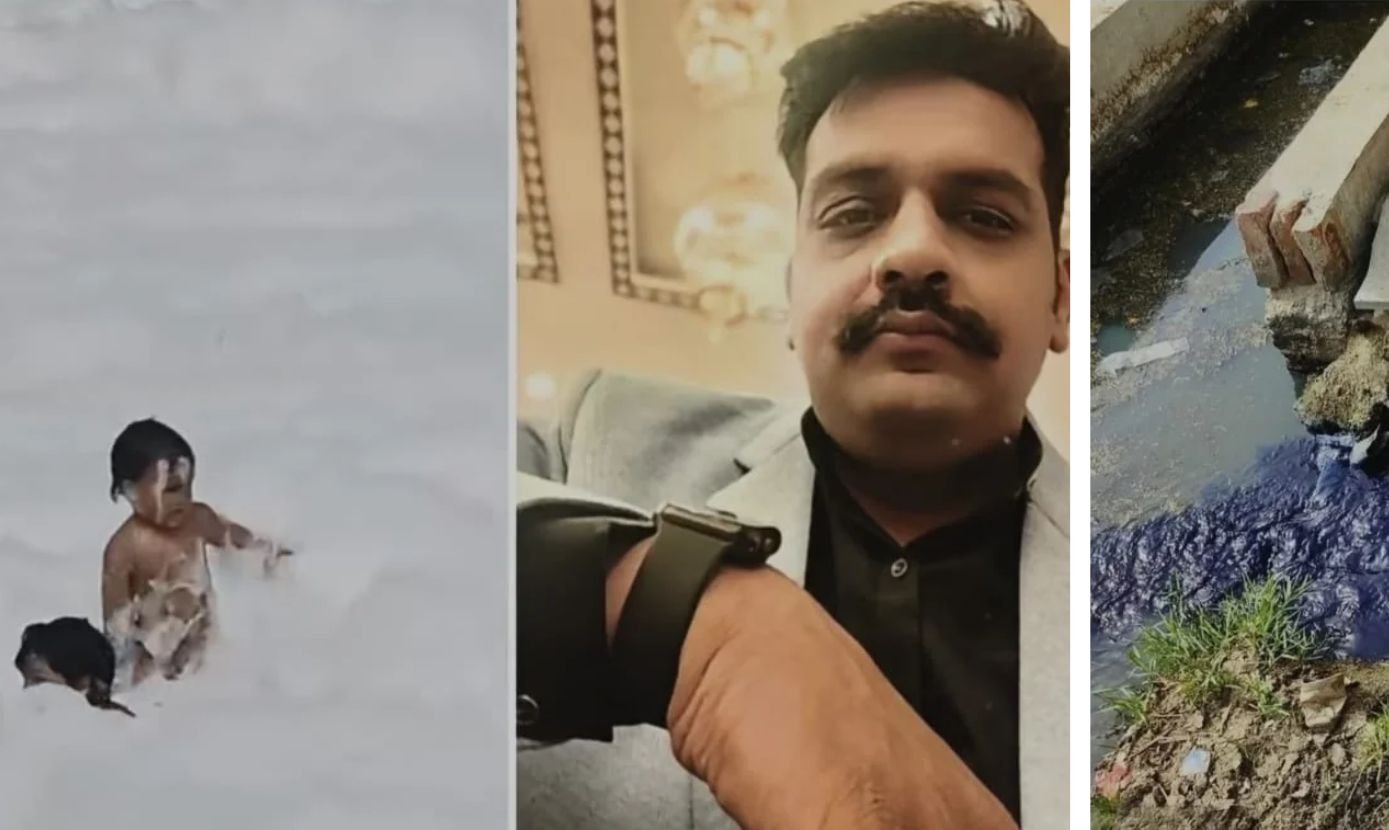
The Yamuna River continues to face a serious pollution crisis, with thick white foam appearing on its surface and raising concerns about the quality of the water. Behind this environmental challenge is a larger problem: the discharge of untreated industrial waste into water bodies.
Among those working to expose this issue is Varun Gulati, an environmental activist who has been documenting industrial pollution and taking the matter to court.
From the Garment Industry to Environmental Activism
Varun’s journey took a major turn in 2018 when he decided to leave the garment industry after recognising its connection to pollution. Instead of continuing his business, he chose to focus on environmental protection.
In 2019, he began filing cases before the National Green Tribunal (NGT), bringing attention to industrial units allegedly releasing untreated wastewater into drains that eventually flow into the Yamuna.
Exposing the Hidden Cost of Industrial Waste
Illegal dyeing and washing units can release chemically contaminated wastewater into local drains. Such discharge can damage aquatic ecosystems, pollute water sources and create risks for nearby communities.
Varun has worked to document these activities through ground inspections, photographs, drone footage and legal complaints. His efforts have also highlighted the challenges of enforcing environmental regulations when industrial units continue operating or resume work after action is taken against them.
Why Wastewater Treatment Matters
According to Varun’s approach, cleaning the Yamuna requires more than removing visible waste or relying only on sewage treatment plants. Industrial wastewater needs suitable treatment before it enters rivers and other water bodies.
Common Effluent Treatment Plants (CETPs), along with regular inspections and strict enforcement, can help control industrial pollution when they are properly designed and operated.
A Continuing Fight for Cleaner Rivers
Varun’s work highlights the importance of individual action in addressing environmental problems. His journey also raises an important question: how can economic growth continue without damaging the natural resources on which communities depend?
Protecting the Yamuna requires coordinated action from industries, government authorities and citizens. Responsible manufacturing, effective wastewater treatment and consistent enforcement are essential to making cleaner rivers a reality.