For generations, tribal communities in Madhya Pradesh have depended on forests for their livelihoods. They collect medicinal plants, herbs, roots, wild honey and other forest products, using knowledge passed down through their families. Yet, despite their skills and hard work, many collectors have received limited returns by selling these materials in their raw form.
Vindhya Herbals is helping change this situation by turning traditional forest resources into finished herbal and wellness products. The initiative demonstrates how better processing, product development and market access can create more value for the people who collect these natural resources.
The Officer Who Saw an Opportunity for Change
The story took an important turn when Geetanjali Janarthanan, a 2020-batch Indian Forest Service (IFS) officer, took charge of the Madhya Pradesh Minor Forest Produce Processing and Research Centre (MFP-PARC).
She recognised an important gap between the people collecting forest produce and the value that these products could generate in the market. Rather than allowing communities to remain dependent on selling unprocessed materials, the focus shifted towards building products that could reach consumers under a recognised brand.
This approach gave traditional forest knowledge a new commercial direction while creating opportunities for local communities.
Turning Natural Resources into Market-Ready Products
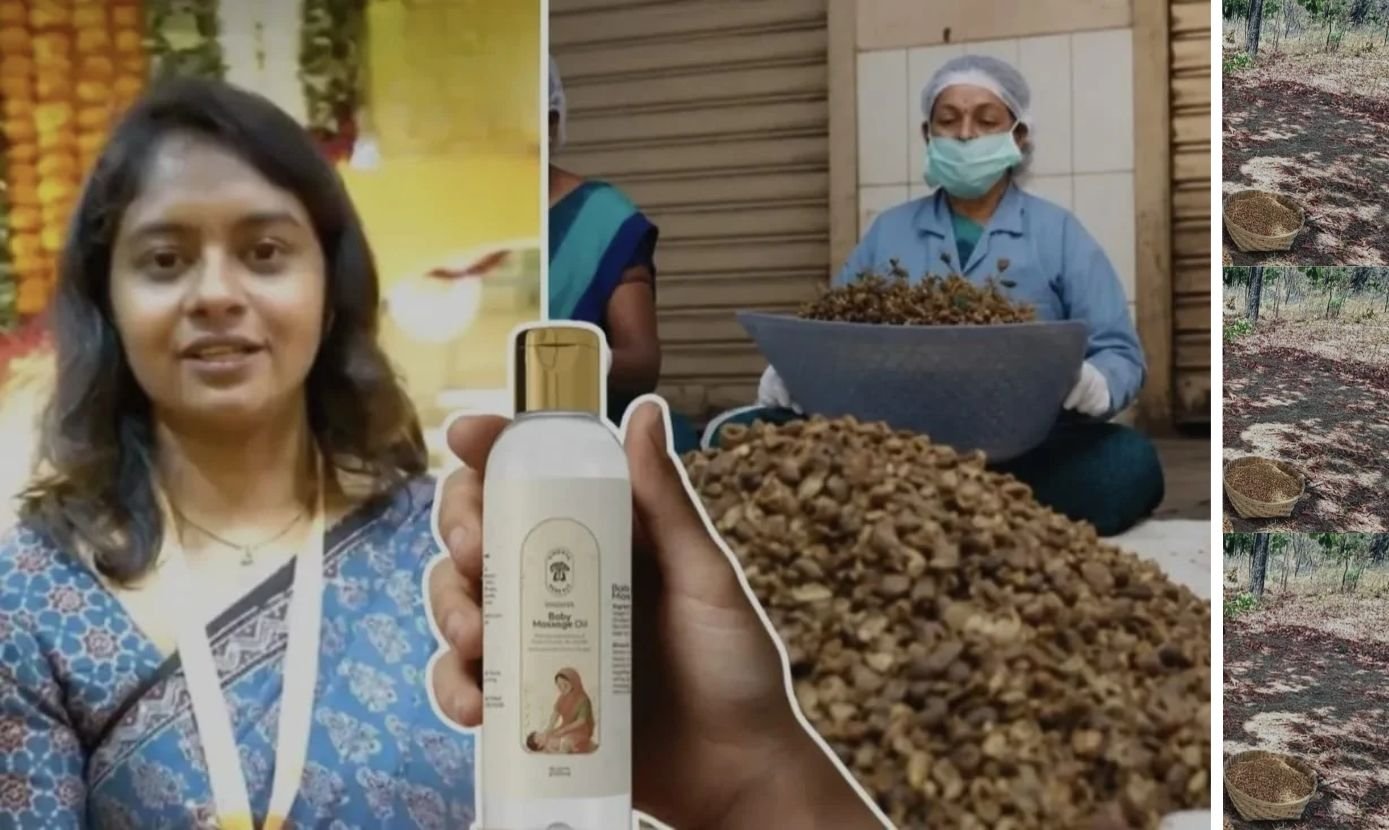
Instead of selling forest produce only as raw materials, Vindhya Herbals develops a range of products, including herbal teas, essential oils, skincare products, honey and Ayurvedic wellness items.
Processing and packaging can help increase the value of these resources and make them more attractive to customers. A forest ingredient that once generated limited income can become part of a finished product with a wider market.
The brand has also explored eco-friendly packaging, mahua-based skincare and products designed around the needs of different consumers. These efforts connect traditional knowledge with modern product development and changing market demand.
Growth with a Wider Social Impact
Vindhya Herbals’ turnover increased from ₹17 crore to ₹42 crore in less than two years. This growth highlights the commercial potential of adding value to forest-based products.
The initiative’s wider significance lies in the opportunities it creates for the communities involved in collecting forest produce. Nearly 40 lakh tribal collectors are part of this ecosystem, including around 19 lakh women.
For these communities, the value chain is about more than selling a product. It connects their labour and traditional knowledge with processing, branding and access to markets.
Taking Tribal Products to More Customers
Vindhya Herbals products are reported to be available through 28 Sanjeevani stores across Madhya Pradesh and at MP Bhawan in Delhi. These retail channels help bring forest-based products closer to consumers and improve their visibility.
The journey also shows why market access matters. Producing a good product is only one part of building a successful enterprise. Distribution, packaging, customer trust and consistent demand are also important.
A Model for Inclusive Enterprise
The Vindhya Herbals story offers an important lesson: local resources can create greater economic value when communities have better access to processing, product development and markets.
It also highlights the potential of combining public institutions, professional management and traditional knowledge to support livelihoods. For tribal families, stronger value chains can create new opportunities while recognising the importance of their contribution.
The larger goal is not simply to sell more herbal products. It is to build a system in which the people who collect and preserve forest resources can benefit more meaningfully from the value those resources generate.